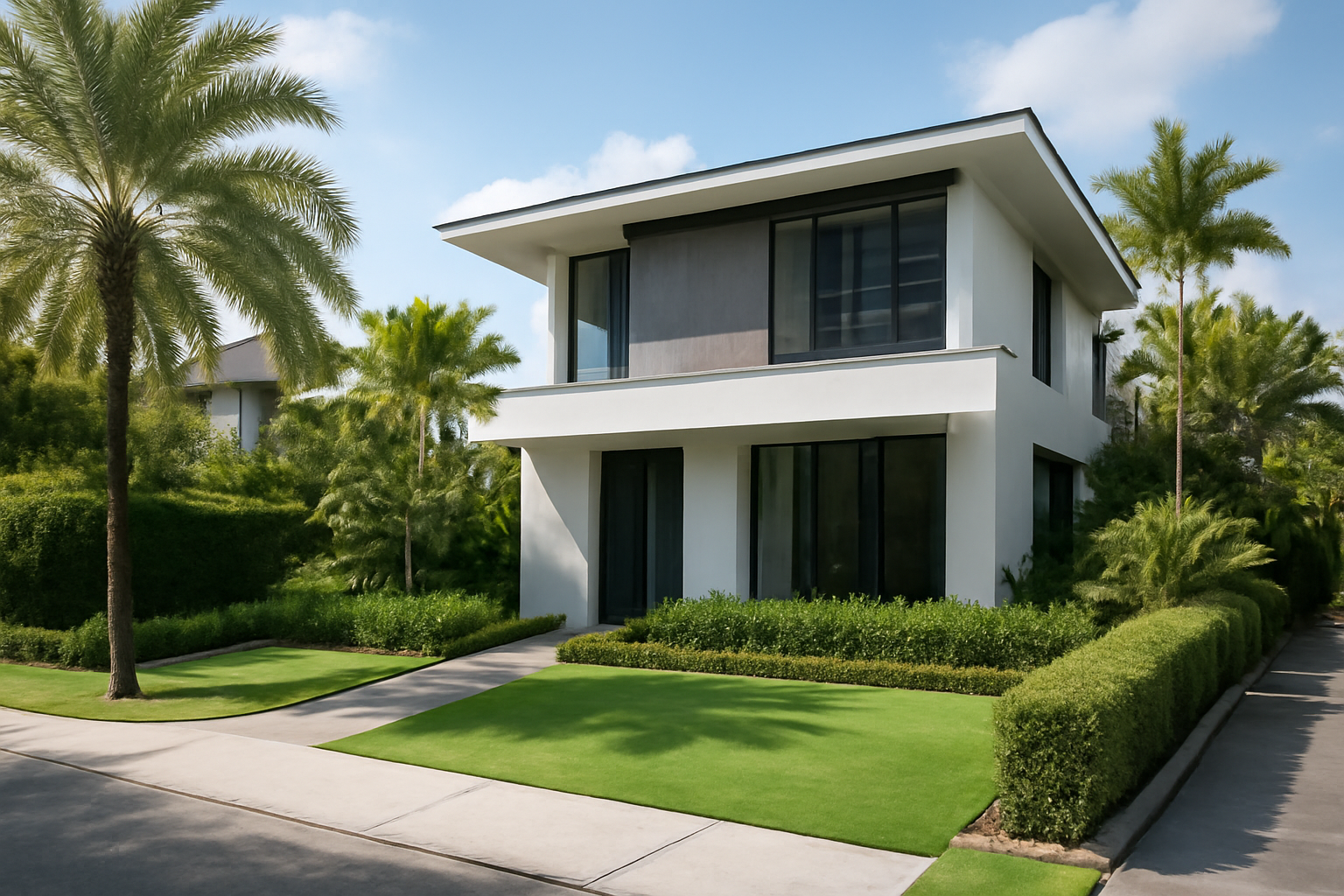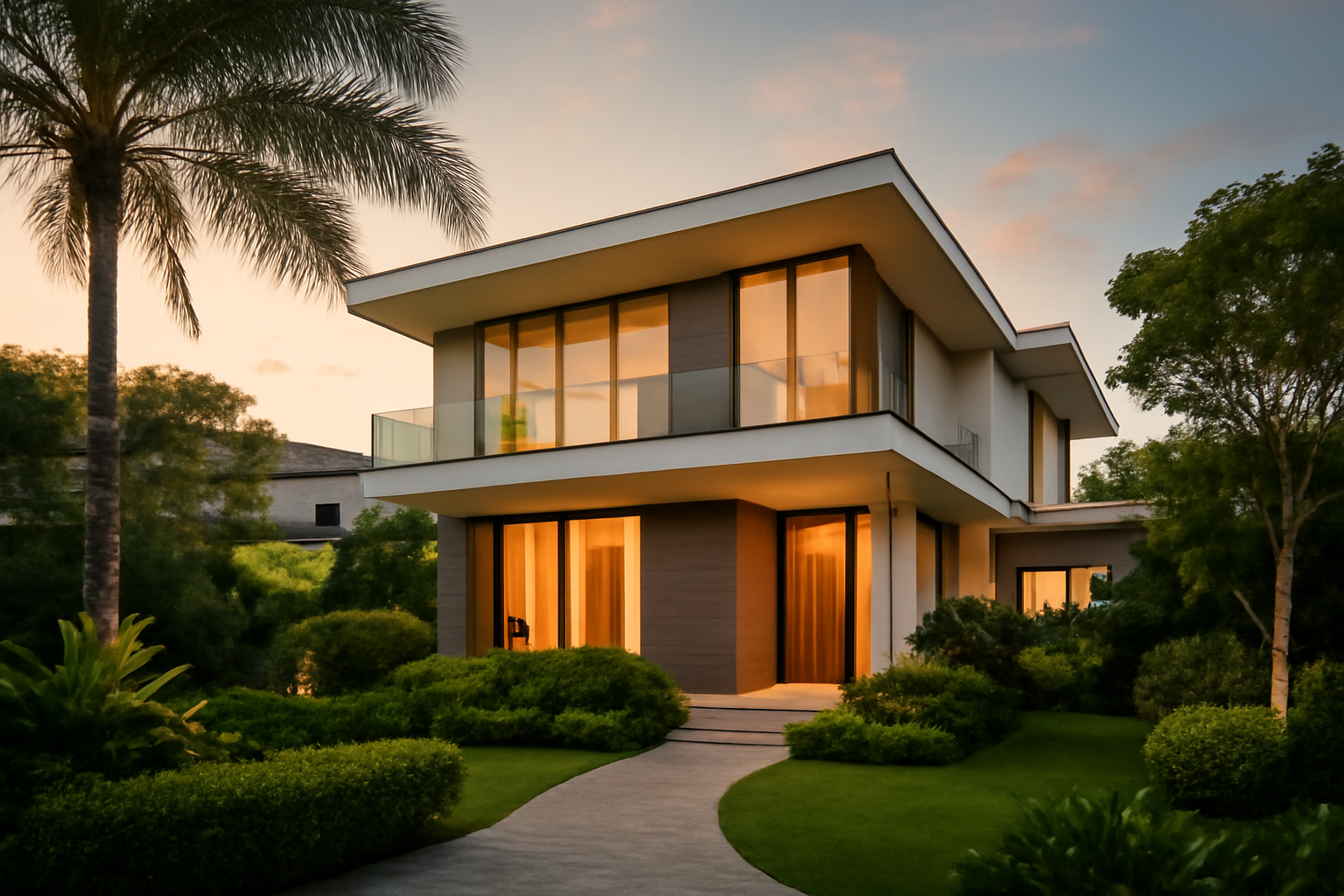

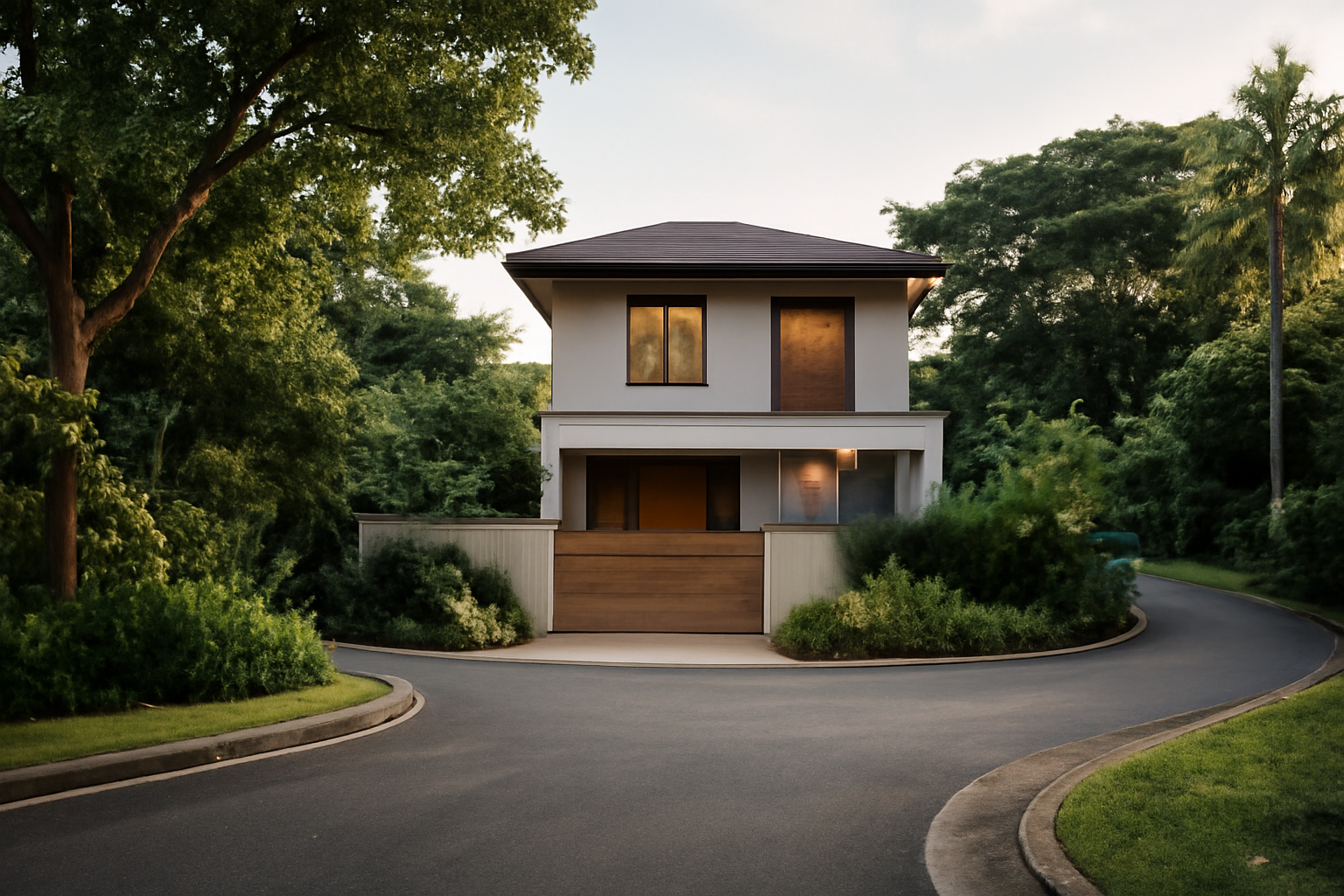
Serangoon Gardens cul-de-sac landed property locations can offer homeowners greater privacy, reduced through-traffic and a quieter residential environment. However, not every cul-de-sac property commands a higher resale value. Factors such as land shape, frontage, accessibility, rebuilding potential and neighbouring properties can significantly influence its market appeal. In this guide, Team Miracles Landed examines these considerations using our 5P Landed Intelligence Framework: Plot, Property, Potential, Position and Price.
When exploring the vibrant enclave of Serangoon Gardens, property buyers and homeowners frequently ask: how do cul-de-sac locations truly impact landed property value and privacy? The direct answer is that dead-end or court locations generally command a distinct price premium and offer superior residential tranquility due to minimal vehicular through-traffic, though careful attention must be paid to specific layout constraints such as turning radiuses, drainage easements, and irregular plot boundaries.
Understanding these dynamics requires a comprehensive look at local real estate fundamentals. Whether you are searching for your dream terrace, semi-detached house, or detached bungalow in this historic estate, evaluating a specific plot involves weighing unique structural, spatial, and market variables. Team Miracles Landed approaches these evaluations using proprietary methodologies, ensuring that every buyer or seller makes an informed decision grounded in market realities.
The Anatomy of Serangoon Gardens Landed Housing
Serangoon Gardens stands as one of Singapore’s most cherished and enduring landed estates. Characterized by its radial street planning, iconic aura around the former Chomp Chomp and market square, and a rich blend of traditional and contemporary architecture, the estate presents diverse housing configurations. Within this urban tapestry, cul-de-sacs represent specialized pockets of real estate that function quite differently from through-roads like Maju Avenue, Serangoon North Avenue, or intersecting avenues.
Through-roads often experience higher volumes of daily traffic, ranging from delivery vans to residents commuting through the estate. In contrast, a cul-de-sac restricts access exclusively to immediate residents and their invited guests. This fundamental difference shapes the daily living experience, influencing everything from the safety of children playing outdoors to the ambient noise levels experienced within private living spaces.
Evaluating Cul-de-Sacs Through the TML 5P Framework
To systematically assess any real estate asset in this estate, our Landed Intelligence Consultants utilize the TML 5P framework. This structured approach breaks down value creation into five core pillars: Plot, Property, Potential, Position, and Price. You can explore more about this diagnostic structure directly via the TML 5P Landed Intelligence guide.
1. Plot: Boundaries, Shape, and Orientation
Cul-de-sac plots often feature irregular configurations, such as pie shapes, trapezoids, or wide-frontage narrow-depth layouts. While a wide frontage is highly prized for grand architectural facades and multiple parking spaces, tapered rear boundaries require careful architectural planning to maximize indoor usability and garden space. Buyers must inspect land titles and boundary markers meticulously, keeping in mind that official boundary verifications should be cross-checked through the Singapore Land Authority (SLA).
2. Property: Structure, Age, and Layout
The physical dwelling on a dead-end street benefits from a quieter structural environment. However, depending on the age of the estate, many original inter-terrace or semi-detached units require substantial enhancements. When considering structural alterations, homeowners must engage qualified professionals to navigate regulatory compliance with the Urban Redevelopment Authority (URA) and the Building and Construction Authority (BCA).
3. Potential: Rebuilding and A&A Prospects
A property’s future upside often hinges on its capacity for Addition and Alteration (A&A) works or complete rebuilding. Cul-de-sac locations can sometimes present logistical challenges during construction due to narrower turning circles or restricted access for heavy machinery like mobile cranes and concrete mixers. Developers and contractors must plan logistics carefully to avoid obstructing neighbors.
4. Position: Neighborhood Micro-Location and Accessibility
Within Serangoon Gardens, position dictates convenience. Some cul-de-sacs sit within a short, pleasant stroll to MyVillage and the central dining amenities, while others are tucked deep within quieter sub-precincts, offering maximum seclusion at the expense of a slightly longer walk to main transport nodes. Buyers should weigh the trade-off between absolute quietude and daily convenience.
5. Price: Capital Outlay and Valuation Premiums
Properties located at the head or stem of a cul-de-sac often command a scarcity premium. Sellers frequently price these units higher, citing enhanced privacy and safety. Buyers must ensure that transaction values align with prevailing market conditions. For tailored insights into current asset values, homeowners can request a comprehensive assessment via our Landed Home Valuation portal.
Comparing Through-Roads vs. Cul-de-Sac Locations
To visualize the practical differences between standard through-roads and cul-de-sacs in Serangoon Gardens, review the comparison matrix below:
| Evaluation Metric | Through-Road Properties | Cul-de-Sac Properties |
|---|---|---|
| Vehicular Traffic | Moderate to high; includes public and delivery traffic. | Very low; restricted almost exclusively to local residents. |
| Ambient Noise Levels | Higher exposure to engine revving, horns, and traffic hum. | Significantly quieter, offering enhanced acoustic comfort. |
| Child & Pet Safety | Requires constant supervision due to passing cars. | Generally safer environment for outdoor movement and play. |
| Parking Dynamics | Potential congestion from visitor parking along main roads. | Limited turning space; strict adherence to local parking rules required. |
| Market Resale Appeal | Steady demand based on overall estate popularity. | Often commands a localized price premium due to scarcity. |
Navigating Rebuilding Projects on Dead-End Streets
Many buyers acquire older landed properties in Serangoon Gardens with the explicit intention of tearing them down and rebuilding a modern multi-story sanctuary with a roof terrace or attic. Undertaking a rebuilding project requires a disciplined financial and operational roadmap. Below are the primary components every owner must factor into their project ledger:
Cost Components and Professional Fees
Rebuilding expenses encompass hard construction costs, structural engineering fees, architectural design fees, interior styling, and specialized consultancy charges. Engaging licensed architects, structural engineers, and main contractors is a statutory requirement. Professional fees typically constitute a percentage of the total construction budget, varying based on the complexity of the design.
Demolition and Site Clearance
Before construction begins, the existing structure must be demolished. This phase involves obtaining necessary demolition permits, engaging licensed demolition contractors, managing debris disposal, and ensuring dust and noise mitigation measures comply with environmental guidelines enforced by relevant authorities.
Regulatory Approvals and Submissions
Architectural plans must secure planning permission and building plan approvals before any physical work commences on site. Homeowners must verify that their proposals adhere to URA guidelines regarding envelope control, building height, storey height limits, and green buffer requirements. Professional qualified persons (QPs) manage these submissions on behalf of the owner.
Contingencies and Project Timelines
Construction timelines for landed properties in Singapore typically span anywhere from 12 to 24 months, depending on soil conditions, structural scope (such as basements or swimming pools), and contractor availability. It is standard industry practice to set aside a financial contingency fund of at least 10% to 15% of the total construction cost to absorb unexpected variations, latent site conditions, or material price fluctuations.
Financing Considerations
Financing a landed property purchase and subsequent reconstruction requires careful capital structuring. Buyers should note that bank loan financing for landed property construction follows progressive disbursement schedules. For insights into financial planning, property buyers should consult official regulatory guidelines or speak with our Landed Intelligence Consultants. For regulatory updates on real estate transactions and agent credentials, always check the Council for Estate Agencies (CEA) portal.
Practical Checklist for Inspecting a Cul-de-Sac Property
Before making an offer on a cul-de-sac home in Serangoon Gardens, work through this practical inspection checklist:
- Traffic Flow Analysis: Observe the street at different times of the day—especially during morning school runs and evening home arrivals—to check for turning congestion.
- Turning Radius Check: Ensure that delivery trucks or visitor cars can turn around smoothly without blocking your front gate or driveway.
- Drainage and Runoff: Inspect the lowest point of the cul-de-sac to ensure proper storm water drainage and verify that the plot is not prone to pooling during heavy tropical downpours.
- Privacy Angles: Walk up to the upper floors to check if neighboring windows overlook your private pool, patio, or master bedroom.
- Buyer Intelligence Review: Consult comprehensive neighborhood data and buyer guides to benchmark pricing against recent transactions in the immediate sub-precinct.
Selling Your Cul-de-Sac Landed Home
If you are a homeowner looking to divest your property in this coveted enclave, highlighting the unique cul-de-sac advantages is paramount in your marketing strategy. Emphasize the quiet environment, reduced traffic hazards, and neighborhood exclusivity. To understand how our marketing strategies position your asset for maximum market exposure, visit our Sell Landed Property hub.
Setting the right asking price requires precise comparative market analysis. Overpricing can cause a property to stagnate, while underpricing leaves capital on the table. Partnering with experienced professionals ensures your listing reaches qualified, high-intent buyers.
Frequently Asked Questions
Do all cul-de-sac properties in Serangoon Gardens command higher prices?
While most cul-de-sacs enjoy a valuation premium due to quietness and privacy, individual pricing depends heavily on the specific plot shape, orientation, condition of the existing structure, and proximity to main access roads or estate amenities. A thorough market appraisal is always necessary.
For personalized guidance or to schedule a consultation with our experts, feel free to Contact Us directly.
Are there any disadvantages to owning a landed home on a dead-end street?
Potential drawbacks include limited turnaround space for large vehicles, potential inconvenience if a neighbor’s parked car obstructs the narrow turning circle, and sometimes irregular land boundaries that require creative architectural solutions during rebuilding.
How does the URA control rebuilding heights in Serangoon Gardens?
URA enforces strict guidelines regarding landed housing envelope control, specifying maximum allowable storeys and building heights to maintain the low-rise character of the estate. Homeowners must consult qualified architects to ensure compliance before undertaking any major construction.
Can I build a swimming pool or basement in a Serangoon Gardens cul-de-sac plot?
Building a basement or swimming pool is technically feasible subject to structural engineering feasibility studies, soil investigation reports, and approvals from relevant statutory authorities including BCA and PUB. Access constraints on dead-end streets for heavy excavation equipment must also be evaluated.
Where can I verify official property ownership and land title details?
Official land titles, boundary definitions, and ownership records can be verified through the Singapore Land Authority (SLA) portal or via professional legal representation during the conveyancing process when purchasing or selling a landed property.
PREPARED BY
Team Miracles Landed
REVIEWED BY