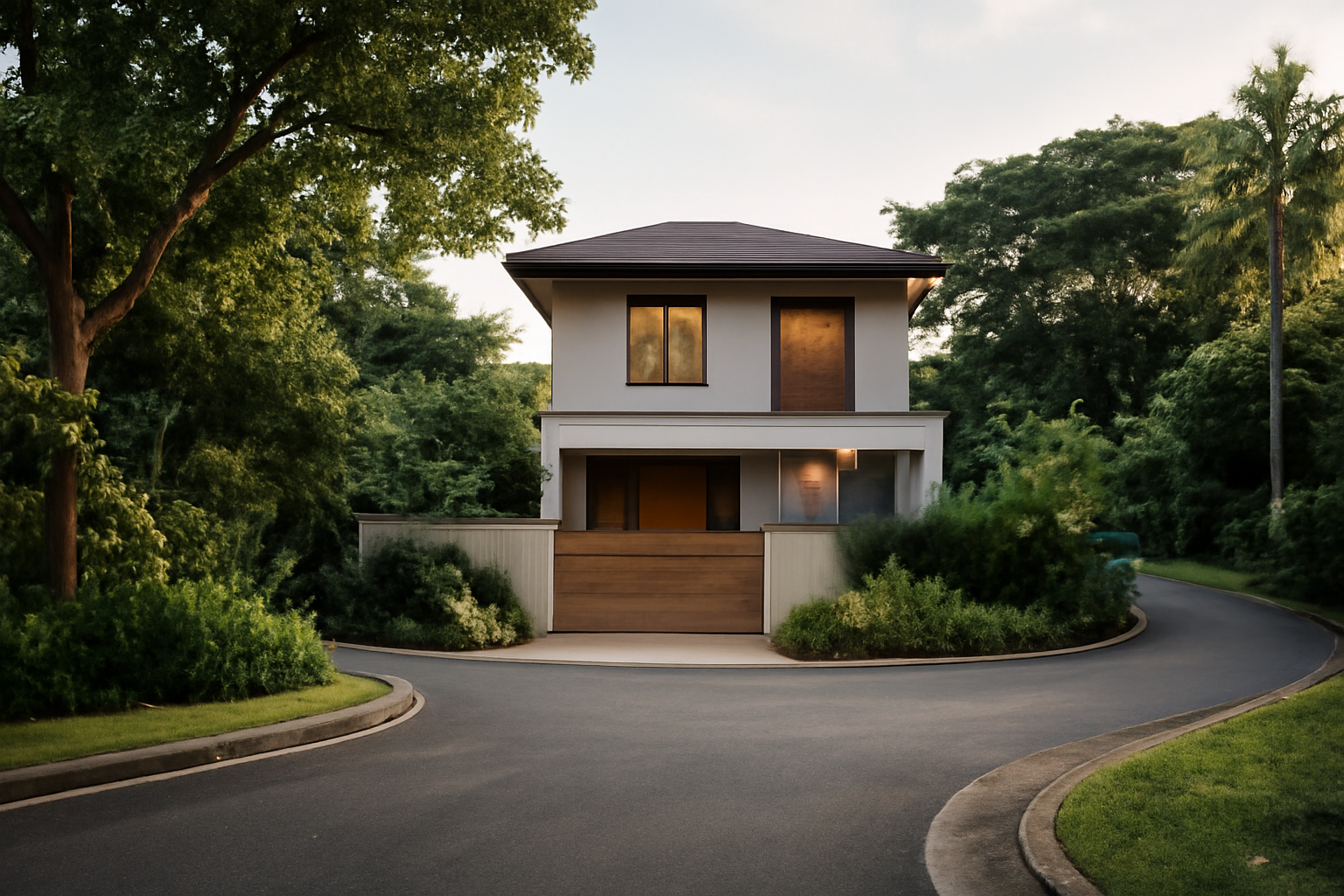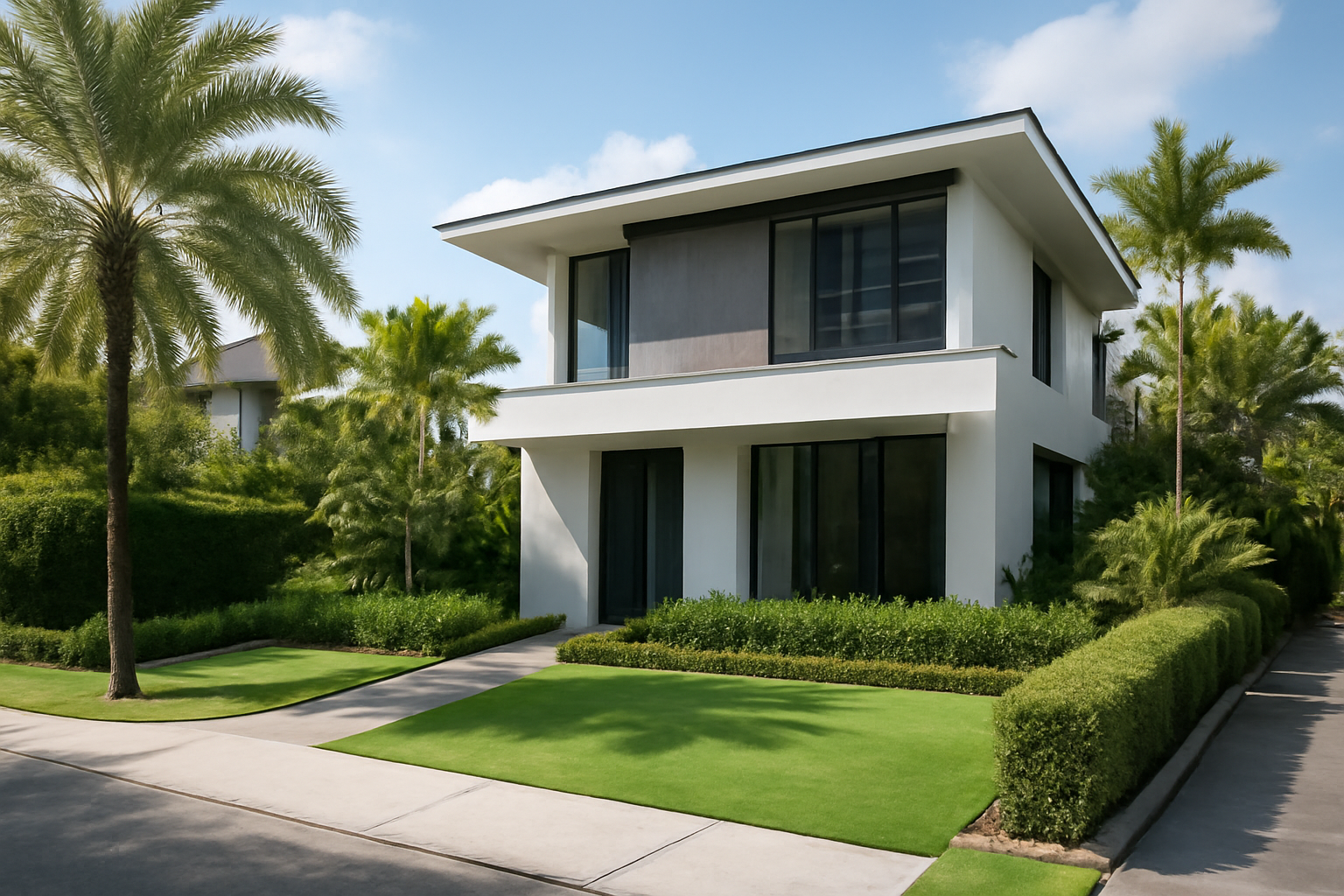

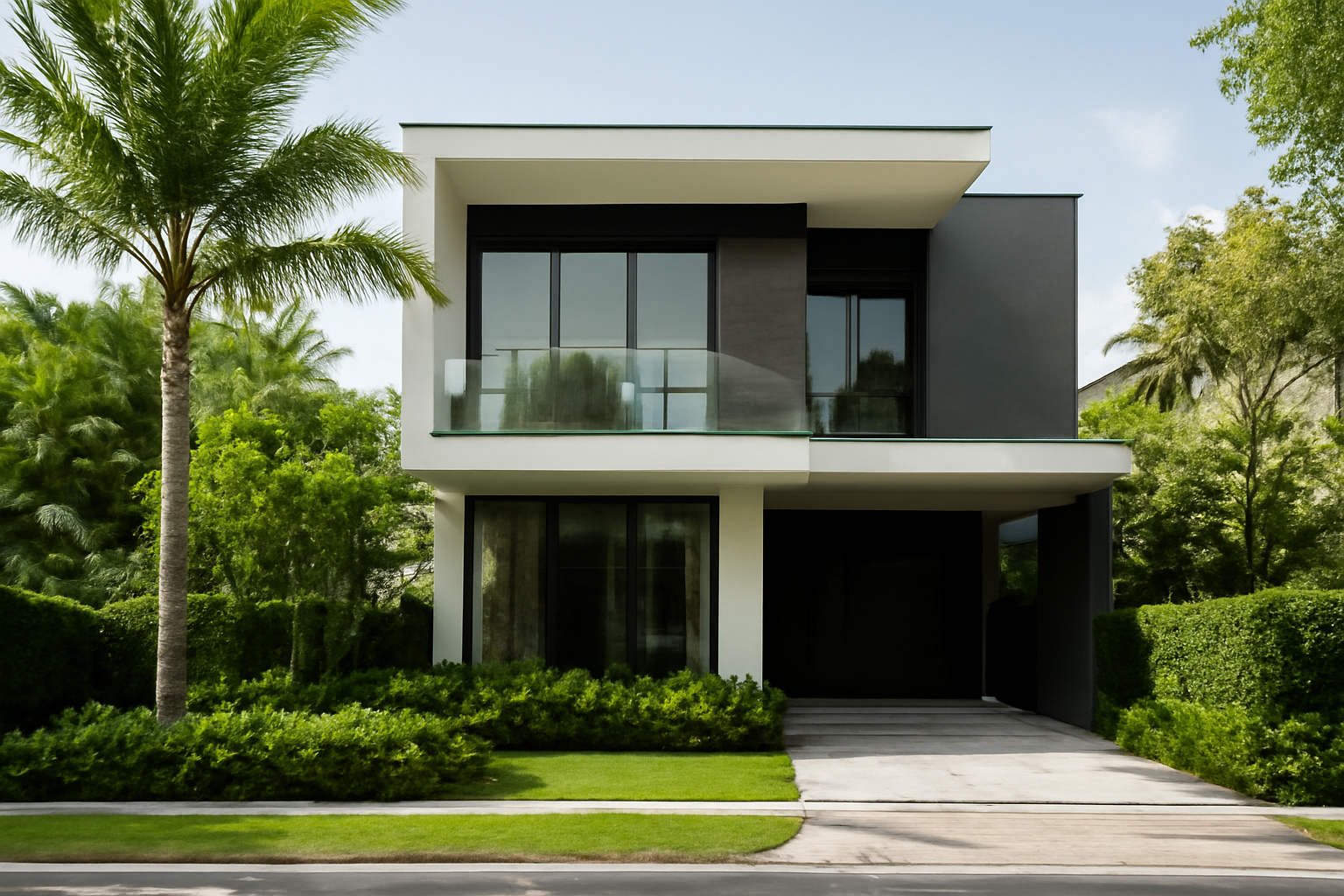
When you embark on the journey of acquiring a landed home in Singapore, the stakes are significantly higher than purchasing a typical condominium. Securing a landed property involves navigating complex land titles, planning envelopes, rebuilding regulations, and significant financial commitments. To safeguard your investment, prospective homeowners need a rigorous framework and a detailed evaluation system. This comprehensive guide outlines everything you must inspect before finalizing your purchase, serving as your ultimate buying landed property Singapore checklist.
The Foundation of Landed Property Acquisition
Unlike high-rise residential properties where building maintenance and structural parameters are managed by a management corporation, a landed property places 100 percent of the operational, legal, and structural responsibility squarely on your shoulders. From the integrity of the boundary walls to the subterranean drainage reserves, every single square inch requires meticulous scrutiny. Working alongside specialized Landed Intelligence Consultants from Team Miracles Landed ensures that you do not miss critical red flags that could turn a dream home into a costly renovation nightmare.
The TML 5P Framework for Landed Buyers
At Team Miracles Landed, we advocate a structured methodology known as the 5P framework. This diagnostic model breaks down property evaluation into five distinct pillars: Plot, Property, Potential, Position, and Price. Applying this framework helps demystify the complexities of the Singapore landed market.
1. Plot: Analyzing Land Attributes
The plot itself is the most valuable component of any landed estate because land appreciates while buildings depreciate. When evaluating a plot, check its shape, frontage, width, and depth. Regular-format plots with wide frontages offer superior architectural flexibility compared to narrow, irregularly shaped plots or long driveway ‘teardrop’ plots. Furthermore, verify the terrain gradient; sloping sites can dramatically increase structural foundation and basement excavation costs. Always cross-check boundary lines using official land survey maps obtained from the Singapore Land Authority (SLA) to prevent future encroachment disputes with neighbors.
2. Property: Structural and Zoning Integrity
The physical structure requires a thorough assessment by qualified building professionals. Check for signs of rising damp, structural cracks, termite infestations, and aging electrical or plumbing systems. Concurrently, examine the URA Master Plan zoning. Is the property situated within a designated Good Class Bungalow (GCB) area, a Bungalow area, a Semi-Detached zone, or a Terraced housing estate? Each zoning category carries strict envelope control guidelines dictating maximum height, storeys, and allowable building footprints. Always verify current development guidelines directly through the Urban Redevelopment Authority (URA) portal.
3. Potential: Rebuilding and Enhancement Horizons
Many buyers purchase older terrace or semi-detached houses with the intent of tearing them down and rebuilding a modern three- or four-storey architectural masterpiece. Evaluating potential requires understanding setback requirements, attic regulations, and basement definitions. Can you add an attic? Does the plot allow a rear extension? Your Landed Intelligence Consultants can help interpret URA planning parameters to determine whether the asset can accommodate your long-term multi-generational living needs.
4. Position: Location & Micro-Market Dynamics
Position evaluates both the macro-location (district, proximity to elite schools, MRT stations, and major expressways) and the micro-location (facing direction, traffic flow, and neighborhood noise). In Singapore, facing north-east or south-west dictates sun exposure and indoor thermal comfort. Additionally, check for proximity to drainage infrastructure, electrical sub-stations, places of worship, or upcoming national infrastructure projects that may introduce noise or alter neighborhood tranquility.
5. Price: Valuation and Financial Sustainability
Landed property transactions do not follow standardized pricing matrices like condominiums. Each plot is unique, making comparative market analysis an art and a science. Obtain professional estimates using resources like landed home valuation tools while factoring in transactional taxes such as Buyer’s Stamp Duty (BSD) and Additional Buyer’s Stamp Duty (ABSD). Ensure your cash flow runway remains robust, especially when factoring in hefty construction and financing outlays.
The Practical Due Diligence Checklist
Before putting down an option fee, run through this comprehensive operational checklist to ensure all legal, physical, and financial dimensions are covered:
- Title Search: Review the Land Title Register via SLA to confirm ownership, encumbrances, mortgages, and caveats.
- Right of Way & Easements: Check for any shared driveways, drainage reserves, or sewer lines running beneath or across the plot that might restrict future building plans.
- Road Line and Height Control: Verify if any part of the land is subject to road reserve or rapid transit system (RTS) acquisition by the state.
- Structural Survey: Engage a licensed structural engineer to inspect load-bearing walls, roof trusses, and foundations if you plan on doing major A&A (Addition and Alteration) works.
- Drainage and Flooding History: Check past public records or consult neighbors regarding localized flash floods or heavy storm water runoff accumulation around the property perimeter.
- Tax and Statutory Liabilities: Ensure property tax assessments from the Inland Revenue Authority of Singapore (IRAS) are fully paid up by the current seller.
Navigating Rebuilding, Demolition, and Construction
If your landed acquisition strategy involves tearing down the existing structure to build anew, you must prepare for a complex project lifecycle. Managing a rebuilding project requires strict budgetary control and project management expertise.
Cost Components and Professional Fees
Rebuilding a landed home involves multiple layers of expenditure. Primary cost centers include structural engineering, architectural design fees, main contractor construction bids, interior fit-outs, and submission fees to regulatory bodies such as the Building and Construction Authority. Professional fees typically account for 10 to 15 percent of the total project cost.
Demolition and Approvals
Before any heavy machinery touches the site, you must secure demolition permits, clearance from environmental agencies, and building plan approvals. Structural plans must comply strictly with URA envelope controls and BCA engineering safety codes. Never commence works without formal written approval.
Timeline, Contingencies, and Financing
A standard landed rebuilding project in Singapore generally takes anywhere from 12 to 24 months from architectural conception to keys handover, depending on scale and contractor efficiency. Always allocate a 15 to 20 percent financial contingency fund for unforeseen site conditions, such as unstable soil strata or utility relocation hurdles. For financing, consult banking partners early to understand progressive loan disbursements tied to construction milestones. Check prevailing housing loan limits and statutory regulations governed by the Central Provident Fund Board and the Monetary Authority of Singapore.
Comparison: Buying an Existing Home vs. Buying and Rebuilding
To help you decide on your acquisition strategy, examine this comparison matrix detailing the trade-offs between moving into a move-in ready resale landed home versus purchasing an older plot for redevelopment.
| Evaluation Parameter | Resale Move-In Ready Property | Plot for Rebuilding / Major A&A |
|---|---|---|
| Initial Capital Outlay | Higher purchase price reflecting renovated condition. | Generally lower land entry cost, but requires heavy construction capital. |
| Time to Occupancy | Immediate or brief cosmetic touch-ups only. | 12 to 24 months of design, approvals, and construction. |
| Customization | Limited to interior design and superficial layout changes. | Total architectural freedom within URA zoning envelopes. |
| Hidden Risks | Aging concealed plumbing, electrical wiring, or roof leaks. | Unforeseen site soil conditions, contractor delays, regulatory revisions. |
| Rental / Holding Cost | None if moving straight in; can rent out immediately. | Ongoing rental expenses or alternative accommodation costs during build. |
Ensuring Regulatory Compliance and Ethical Standards
Navigating the Singapore real estate landscape requires strict adherence to professional codes of conduct. When engaging real estate professionals, always verify their registration status through the Council for Estate Agencies to ensure they are legally authorized to transact residential property. Ethical guidance protects your deposits, ensures clear communication during option negotiations, and keeps your transaction fully transparent.
Frequently Asked Questions
1. Can foreigners buy landed property in Singapore?
Generally, foreign nationals (including permanent residents in most cases) are restricted from purchasing landed properties in Singapore unless they obtain specific approval from the Singapore Land Authority (SLA) Land Dealings Approval Unit (LDAU). Exceptions are typically granted only for landed homes located on Sentosa Cove.
2. How long does a typical landed property purchase transaction take?
A standard private treaty landed property transaction usually takes between 8 to 12 weeks from the exercise of the Option to Purchase (OTP) to the final completion of sale, assuming no complex title or probate complications arise.
3. What is the difference between A&A and rebuilding?
Addition and Alteration (A&A) works involve minor structural modifications or extensions where at least 50 percent of the existing structural elements (such as columns, beams, and external walls) are retained. Rebuilding involves the total demolition of the existing building and the construction of an entirely new structure from the foundation up.
4. Are there restrictions on building height for landed homes?
Yes. Building height limits for landed properties are strictly regulated by the URA and depend entirely on the specific zoning (e.g., two-storey mixed landed, three-storey mixed landed, or specific bungalow control heights). Some areas are also subject to aviation height clearances.
5. How can Team Miracles Landed assist my property search?
Our dedicated Landed Intelligence Consultants specialize in navigating the nuances of landed estates across Singapore. From applying the 5P framework to conducting deep-dive title checks and connecting you with top-tier architects, we guide you from your initial search to the final handover. Get in touch with our team via our contact page or explore our vendor advisory services if you plan to sell landed property in the future.
PREPARED BY
Team Miracles Landed
REVIEWED BY