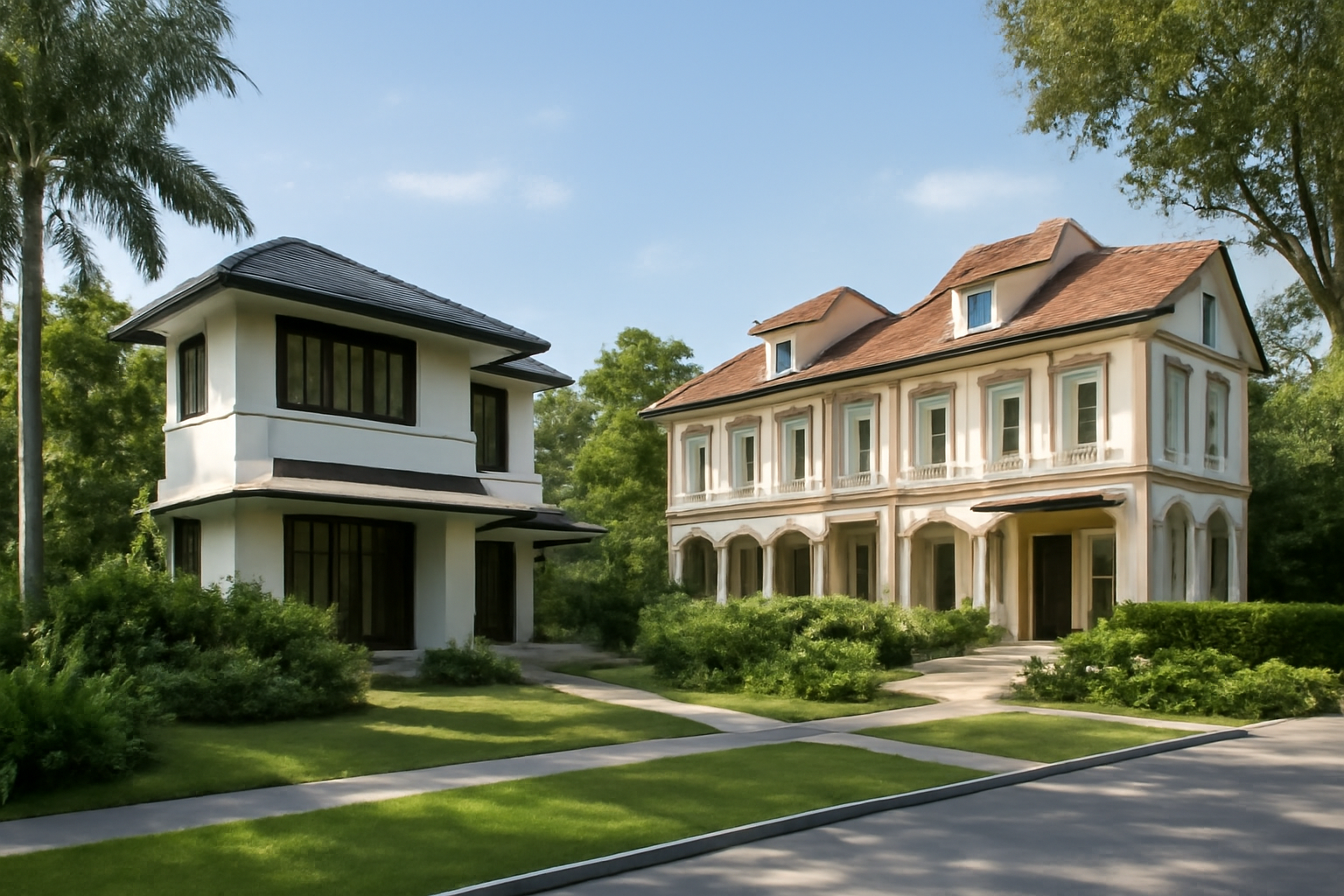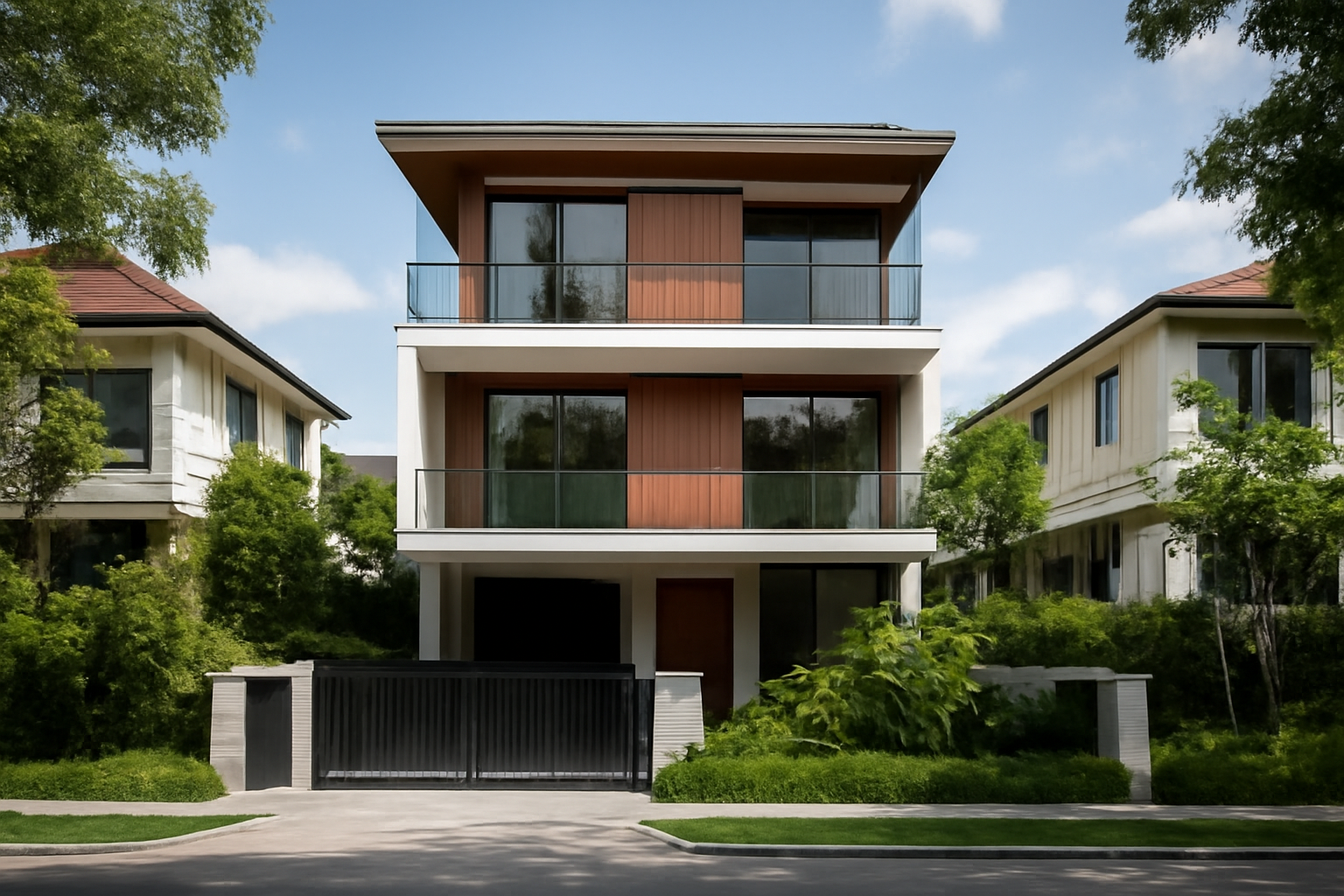

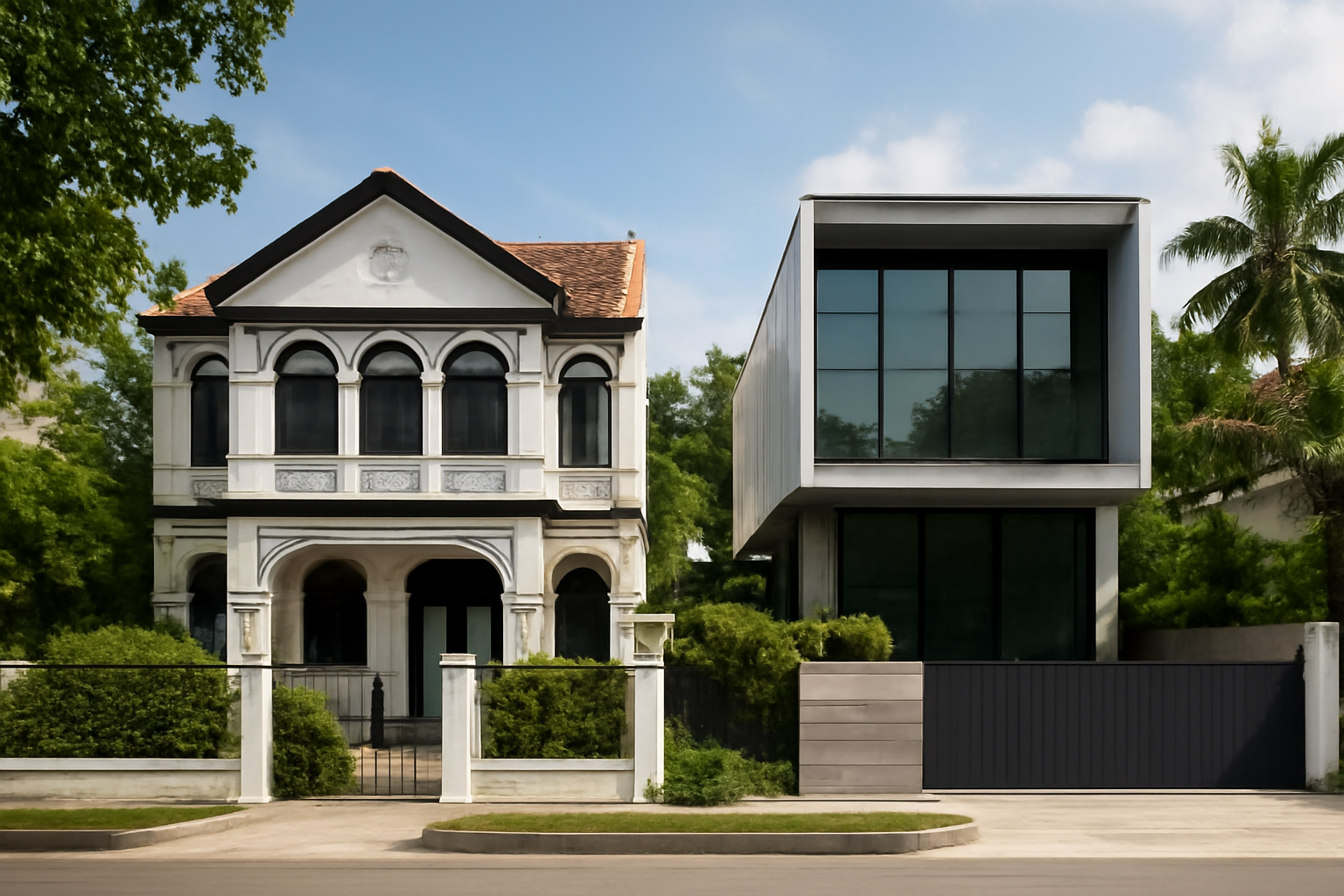
When entering the Singapore landed property market, buyers often face a defining crossroads: should you purchase an existing old landed house or a newly built property? This is one of the most critical dilemmas for families, upgraders, and astute investors alike. The short answer is that buying an old landed house usually grants you a superior land size and a more advantageous location at a lower initial psf, but demands a heavy commitment to extensive renovation or total rebuilding. Conversely, a newly built house offers immediate move-in readiness with modern architecture and zero construction hassle, though typically at a premium price point and with less room for bespoke customisation.
Navigating the old landed house vs new landed house Singapore debate requires deep market intelligence, structural foresight, and a clear understanding of your financial capacity and lifestyle goals. At Team Miracles Landed, our dedicated Landed Intelligence Consultants guide clients through these intricate decisions every day. In this comprehensive guide, we dissect the nuances of both paths, evaluate financial and operational realities, and introduce our proprietary TML 5P framework to help you make a confident, future-proof acquisition.
Understanding the Core Options in Singapore’s Landed Scene
Landed housing in Singapore—encompassing terrace houses, semi-detached homes, detached bungalows, and Good Class Bungalows (GCBs)—represents the pinnacle of local residential ownership. However, the age and condition of these properties vary wildly. You might encounter a 50-year-old inter-terrace in a quiet estate needing a complete gut-job, or a brand-new A&A (Addition and Alteration) or rebuilt property featuring contemporary facades, private lifts, and smart home systems.
To evaluate old landed house vs new landed house Singapore choices effectively, you must look beyond surface aesthetics. An older property holds tangible history and often sits within mature, highly established enclaves where land plots are tightly held. A brand-new property, on the other hand, reflects current building regulations, URA envelope control guidelines, and modern spatial planning.
The TML 5P Framework for Landed Buyers
Before committing capital to either an older or a newly constructed landed home, our Landed Intelligence Consultants recommend applying the TML 5P framework. This structured methodology examines five foundational pillars:
- Plot: Assessing the land size, frontage, shape (regular vs irregular), elevation, and orientation (such as north-south facing). Older houses often occupy wider plots in older estates, while new builds may sit on subdivided plots.
- Property: Evaluating the physical structure, age, zoning, URA master plan envelope controls, and structural integrity.
- Potential: Analysing the capital appreciation upside, future transformation of the surrounding precinct, and the scope for future additions or rebuilding. Discover more insights on landed buyer intelligence.
- Position: Reviewing the micro-location, proximity to elite primary schools, MRT stations, expressways, and lifestyle amenities.
- Price: Conducting a granular valuation based on land psf, built-up area, and past transaction comparables. You can request a professional assessment via our landed home valuation portal.
Old Landed House: Pros, Cons, and Hidden Realities
Purchasing an older landed property appeals to buyers who value land quantum and long-term transformation. Let us examine the advantages and challenges.
Advantages of Buying an Older Landed House
- Better Land Quantum: Older developments, particularly those built decades ago, often feature more generous land plots and wider frontages compared to modern subdivision plots.
- Established Neighbourhoods: Mature landed estates boast lush greenery, quiet serenity, and close-knit communities that are fully developed.
- Value Creation Upside: Buying at a lower initial cost allows you to rebuild or extensively remodel the home to match your exact spatial and aesthetic desires, capturing value uplift upon completion.
Challenges and Risks
- Maintenance and Structural Wear: Older houses are prone to plumbing degradation, electrical wiring obsolescence, water seepage, and spalling concrete.
- Renovation Costs: Cosmetic updates may not suffice; many older houses require substantial capital injection to make them habitable by modern standards.
Newly Built House: Convenience vs Compromise
For buyers who prefer a hassle-free transition, a newly built or recently reconstructed landed home offers undeniable appeal.
Advantages of a New Landed House
- Move-In Ready: You skip the protracted months of architectural planning, regulatory submissions, and noisy construction.
- Modern Amenities: Features such as en-suite bathrooms for every bedroom, high ceilings, integrated home lifts, EV charging provisions, and energy-efficient architecture come standard.
- Warranty and Assurance: Reputable builders often provide structural warranties for a defined period post-completion, offering peace of mind.
Compromises to Keep in Mind
- Premium Pricing: You pay for the developer’s or previous owner’s holding costs, construction expenses, and profit margins.
- Standardised Layouts: While aesthetically pleasing, the interior floor plan is designed by someone else and may not align perfectly with your family’s unique workflow or spatial preferences.
Deep Dive: The Realities of Rebuilding an Old Landed House
If you choose to purchase an old landed house with the intention of tearing it down and constructing a brand-new home, you are embarking on a major development project. It requires meticulous budgeting, project management, and regulatory compliance. Always verify prevailing guidelines directly with authorities such as the Urban Redevelopment Authority and the Building and Construction Authority.
Key Cost Components in Rebuilding
Rebuilding expenses extend far beyond basic bricks and mortar. Your financial model must account for:
- Demolition Costs: Clearing the existing structure safely and disposing of debris according to statutory environmental standards.
- Professional Fees: Engaging architects, structural and civil engineers, M&E consultants, and quantity surveyors.
- Construction Costs: Direct expenditure on foundation works, structural framing, roofing, waterproofing, interior finishes, and built-in carpentry.
- Contingencies: Setting aside a buffer fund (typically 10% to 15% of total construction cost) for unforeseen site conditions, latent soil issues, or material price fluctuations.
- Holding Costs and Rental: Factoring in mortgage servicing during the construction phase, property tax, and rental expenses for temporary accommodation while your house is being built.
The Construction Timeline
A typical landed rebuilding project in Singapore is a marathon rather than a sprint. The timeline generally spans 18 to 24 months from the moment design planning commences to the eventual issuance of the Temporary Occupation Permit (TOP). This timeline encompasses:
- Preliminary design and spatial space planning (2 to 3 months)
- Authority submissions and statutory approvals (3 to 6 months)
- Demolition and sub-structure/foundation works (3 to 4 months)
- Superstructure and architectural finishing (8 to 12 months)
- Inspection, commissioning, and obtaining TOP
Financing and Project Risks
Financing a landed rebuild differs significantly from purchasing a completed condo or HDB flat. Banks disburse construction loans progressively based on the verified stage of completion certified by the project architect and quantity surveyor. Buyers must ensure they have sufficient liquid cash or CPF funds (subject to prevailing CPF board regulations; check official rules via Central Provident Fund Board) to cover the initial cash downpayments and interim staging payments. Key project risks include contractor delays, labour shortages, budget overruns, and unexpected regulatory constraints during plan approvals.
Old Landed House vs New Landed House Singapore: Comparison Table
| Feature / Consideration | Old Landed House | Newly Built House |
|---|---|---|
| Initial Purchase Price | Generally lower psf; reflects age and condition | Higher quantum; commands developer or new-build premium |
| Land Size & Frontage | Often larger plots and wider frontages in mature estates | May involve subdivided plots or narrower frontages |
| Renovation / Construction | Requires heavy A&A or total rebuilding | Move-in ready; minimal immediate works needed |
| Timeline to Occupancy | Immediate if cosmetic; 1.5 to 2 years if rebuilding | Immediate upon legal completion and handover |
| Customisation Potential | Maximum flexibility to design your dream layout | Limited unless undertaking minor interior modifications |
| Maintenance Risk | Higher initial risk of hidden defects and wear | Lower initial risk; modern installations and warranties |
Practical Checklist for Landed Property Buyers
Whether you lean towards an older vintage home or a modern masterpiece, run through this practical checklist before making an offer:
- Verify Title and Land Status: Confirm leasehold tenure (99-year, 999-year, or freehold) via the Singapore Land Authority.
- Check URA Master Plan Zoning: Understand the height controls, envelope control guidelines, and allowable storey heights for the specific plot.
- Inspect Structural Integrity: Hire an independent professional structural engineer to check for concrete spalling, foundation settlement, and dampness.
- Review Budget and Cash Flow: Account for stamp duties (BSD and ABSD), legal fees, renovation reserves, and holding costs. Consult the Inland Revenue Authority of Singapore for tax implications.
- Engage Licensed Professionals: Work with accredited real estate salespersons registered with the Council for Estate Agencies.
If you are looking to divest an existing asset to fund your next landed purchase, explore our tailored strategies for those who want to sell landed property successfully.
Frequently Asked Questions
1. Is it cheaper to buy an old landed house and rebuild it in Singapore?
Buying an old house and rebuilding allows you to acquire land at a more attractive psf rate. However, total costs—encompassing land purchase, demolition, professional fees, construction, and rental during the build—can quickly match or exceed the price of a ready-built home. Careful budgeting with a quantity surveyor is essential.
2. How long does a typical landed rebuilding project take?
From architectural conceptualisation and URA/BCA approvals to physical construction and obtaining TOP, a complete reconstruction project in Singapore typically takes between 18 to 24 months, barring any unforeseen regulatory or contractor delays.
3. Can I use my CPF ordinary account funds to buy and rebuild a landed property?
Yes, CPF usage is permitted for the purchase of residential land and properties subject to prevailing CPF housing limits, withdrawal limits, and property remaining lease duration. However, CPF funds generally cannot be used directly for construction or rebuilding costs, which must be funded via cash or bank construction loans.
4. What are the hidden costs when buying an old landed property?
Hidden costs often include extensive waterproofing repairs, rewiring of electrical systems, termite treatment, structural reinforcement, professional consultant fees, development charges (if applicable), and rental expenses incurred while waiting for renovations to conclude.
5. How do I know if a landed property can be rebuilt to a higher envelope?
You must review the URA Master Plan guidelines and envelope control parameters for that specific landed enclave. Our Landed Intelligence Consultants at Team Miracles Landed can assist you in conducting feasibility studies before you submit an offer. You can reach out to our team directly via our contact us page.
Choosing between an old landed house vs new landed house Singapore is a deeply personal decision that balances financial prudence with lifestyle aspirations. Let Team Miracles Landed help you navigate your options with clarity and confidence. Connect with our Landed Intelligence Consultants today to embark on your property journey.
When comparing an old landed house vs new landed house Singapore buyers should consider more than the purchase price. Renovation costs, structural condition, redevelopment potential and future resale demand can significantly affect the overall investment. A comprehensive property assessment helps buyers identify which option best suits their budget and long-term plans.