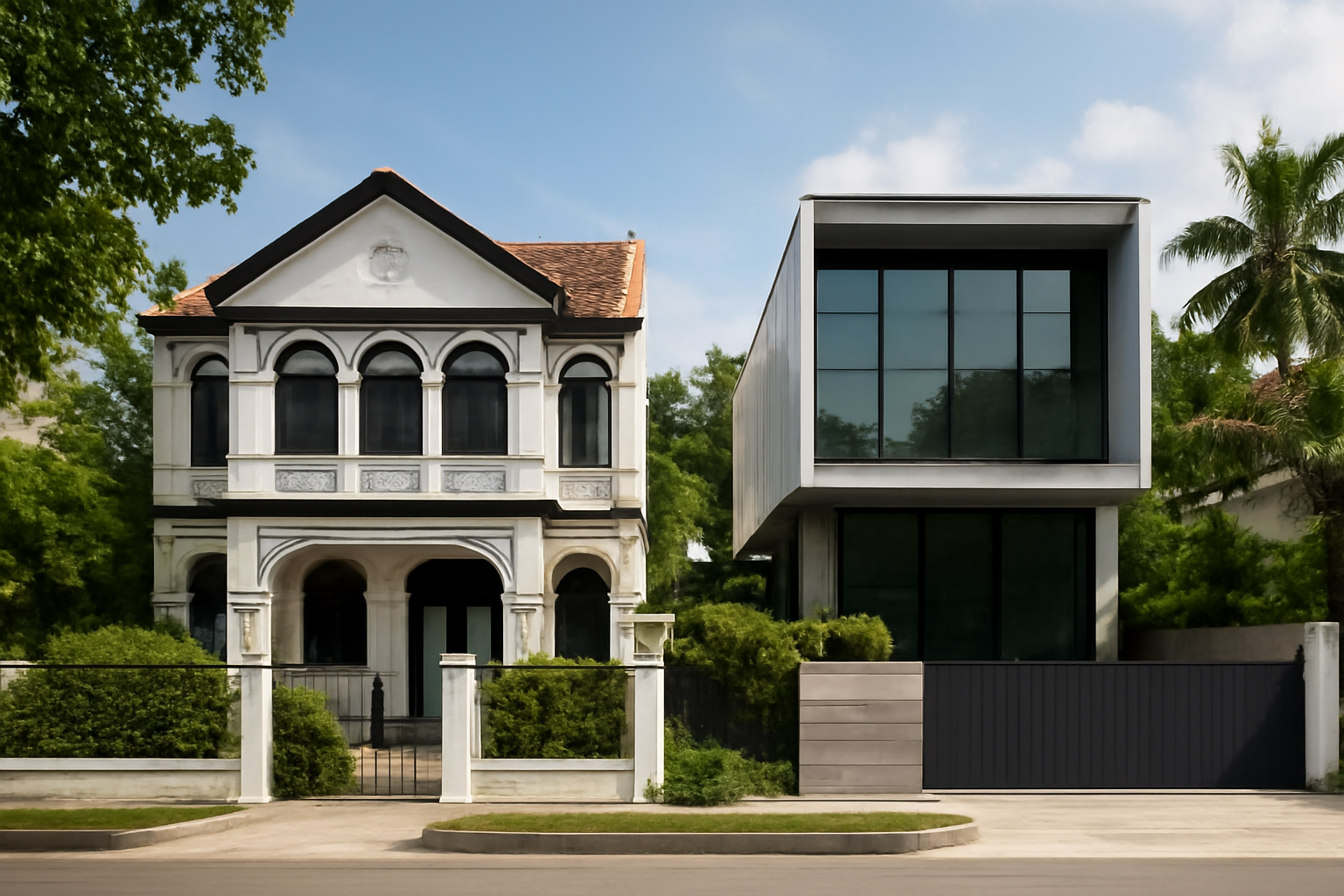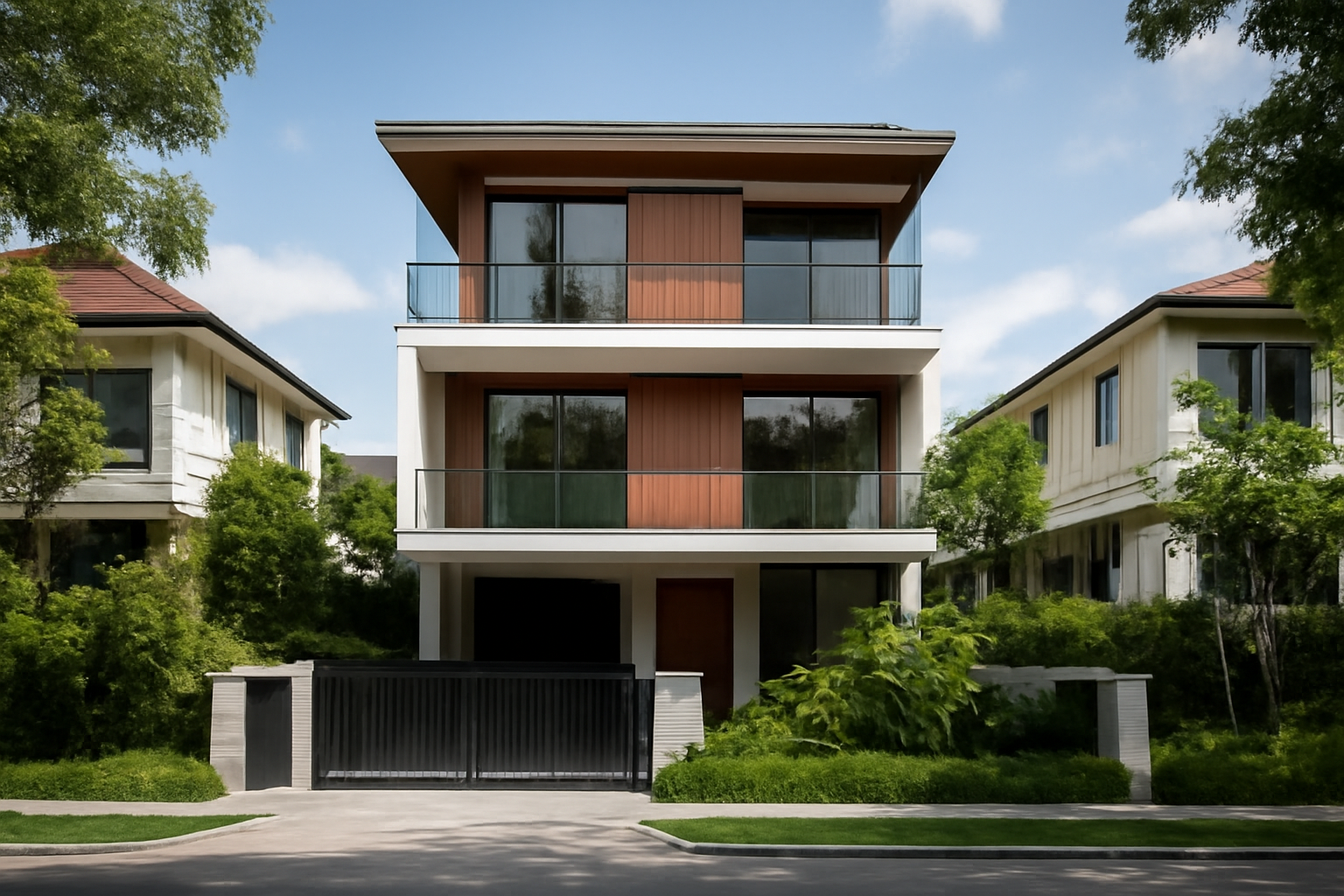

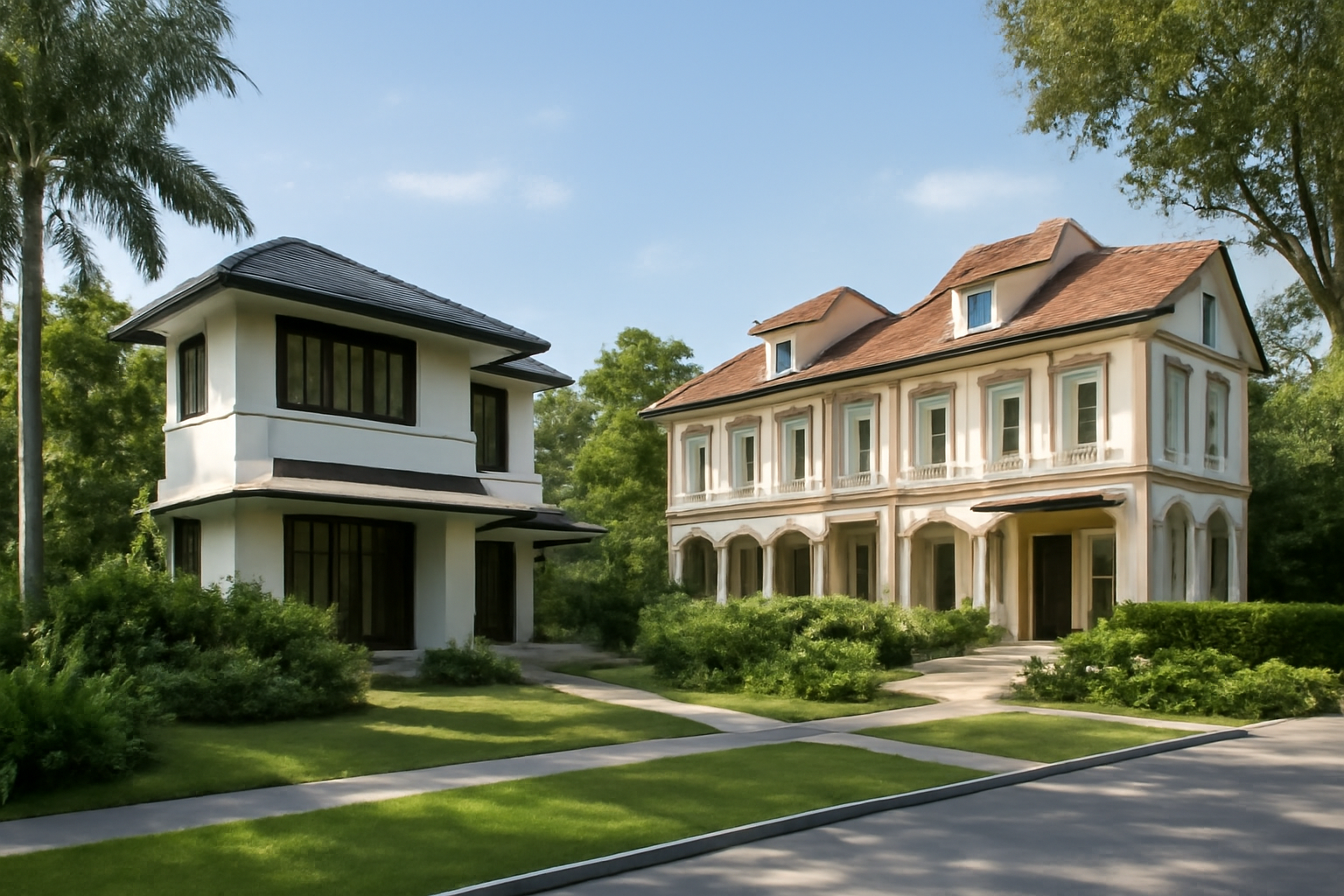
When navigating the island’s exclusive housing market, deciding between freehold vs 99-year landed property Singapore is one of the most consequential choices a buyer can make. The direct answer is that freehold landed properties generally offer superior long-term capital preservation and legacy planning advantages due to perpetual ownership, whereas 99-year leasehold landed homes often present a lower initial capital outlay and potentially higher short-term rental yields or entry into prime districts that would otherwise be cost-prohibitive. However, the ‘better’ option depends entirely on your investment horizon, holding period, and legacy goals.
At Team Miracles Landed, our Landed Intelligence Consultants guide buyers through these intricate ownership distinctions. Whether you are looking to purchase a sprawling Good Class Bungalow (GCB), a detached house, a semi-detached dwelling, or a terrace home, understanding how tenure interacts with physical attributes and market dynamics is paramount. To assist you further, explore our comprehensive resources on Landed Buyer Intelligence and learn how to evaluate opportunities using our proprietary methodologies.
Understanding Tenure in Singapore Landed Housing
Landed housing in Singapore is a tightly regulated asset class. Unlike high-rise condominiums, where strata title ownership divides a single plot among hundreds of co-owners, landed properties typically grant you exclusive ownership of the underlying land plot, subject to state leases or freehold titles.
Freehold properties mean you own the land in perpetuity. There is no lease expiry date, which provides immense psychological comfort and eliminates the terminal value risk associated with aging leases. On the other hand, 99-year leasehold landed properties—frequently found in planned housing estates or specific enclaves released by the government—come with a ticking clock managed by the Singapore Land Authority (SLA). As the lease diminishes, financing rules, Central Provident Fund (CPF) usage limits, and resale liquidity can shift significantly.
Freehold vs 99-Year Landed Property Singapore: A Detailed Comparison
To evaluate which tenure aligns with your portfolio strategy, review the structured comparison below:
| Feature | Freehold Landed Property | 99-Year Leasehold Landed Property |
|---|---|---|
| Ownership Duration | In perpetuity (forever) | 99 years from inception |
| Initial Entry Price | Generally higher per square foot (psf) | Typically more accessible for a given location |
| Capital Preservation | Resilient against long-term depreciation; strong legacy asset | Subject to lease decay, especially past the 40-to-50-year mark |
| Financing & CPF | More straightforward loan tenures; standard CPF usage limits apply (subject to official verification) | Remaining lease length impacts bank loan tenure and CPF usage eligibility |
| Rebuilding Potential | High incentive to rebuild due to perpetual land value retention | Requires careful calculation of remaining lease versus construction amortization |
Applying the TML 5P Framework to Tenure Evaluation
At Team Miracles Landed, we evaluate every transaction through our structured 5P framework. When assessing freehold vs 99-year landed property Singapore, each of the five pillars—Plot, Property, Potential, Position, and Price—takes on unique characteristics based on tenure.
To dive deeper into this analytical approach, visit our dedicated page on the 5P Landed Intelligence framework.
Plot and Property: Freehold Stability Versus Leasehold Configurations
The Plot refers to the land size, frontage, terrain, and shape. Freehold plots provide absolute security for multi-generational rebuilding. Meanwhile, 99-year leasehold plots in master-planned estates often feature regular land shapes and well-organized neighborhood layouts governed by the Urban Redevelopment Authority (URA).
The Property encompasses the built structure. Whether you purchase an existing house or plan a complete teardown, our Landed Intelligence Consultants emphasize assessing structural integrity, URA zoning guidelines, and allowable Gross Floor Area (GFA).
Potential and Position: Growth Horizons and Location Dynamics
Potential measures the upside, such as asset enhancement initiatives (AEI), subdivision potential, or future URA master plan transformations nearby. Leasehold properties can sometimes offer high initial rental yields, but freehold assets usually capture greater long-term capital appreciation as land becomes scarcer.
Position dictates micro-location desirability. This includes proximity to MRT stations, elite schools, parks, and arterial roads. In certain prime districts, finding a freehold landed home is exceedingly rare, making 99-year leasehold landed clusters in similar districts highly coveted lifestyle choices.
Price: Entry Costs and Value Retention
Price evaluates quantum versus value. Freehold properties command a pricing premium (the ‘freehold premium’). Buyers must calculate whether this premium is justified by their holding period compared to the lower initial quantum of a 99-year leasehold property. For accurate market assessments, you may request a Landed Home Valuation from our specialists.
Rebuilding and Redevelopment Considerations
Many landed property buyers purchase older homes with the explicit intention of demolishing and rebuilding a bespoke architectural masterpiece. Undertaking reconstruction requires navigating a complex matrix of cost components, professional fees, and approvals.
When planning a rebuild, you must account for:
- Demolition Costs: Engaging BCA-licensed contractors to safely clear the existing structure.
- Professional Fees: Engaging architects, structural engineers, and interior designers.
- Authority Approvals: Securing clearances from the URA, BCA, and relevant utility agencies before construction commences.
- Contingencies: Setting aside a financial buffer (typically 10% to 20% of construction costs) for unforeseen structural or supply chain challenges.
- Construction Timeline: Managing a multi-month or multi-year building schedule depending on whether the project is a rebuild, A&A (Addition and Alteration), or brand new erection.
- Financing: Securing progressive construction loans from financial institutions.
Crucially, before committing to rebuild a 99-year leasehold landed property, you must weigh the remaining lease against the capital expenditure of construction. Sinking substantial capital into a structure with a rapidly decaying lease requires meticulous financial modeling.
Practical Checklist for Landed Property Buyers
Use this actionable checklist when evaluating landed properties in Singapore:
- [ ] Verify the land title (Freehold, 999-year leasehold, or 99-year leasehold) via SLA land title searches.
- [ ] Check remaining lease duration and verify CPF/bank loan eligibility rules with your financial institution (subject to official verification).
- [ ] Review URA Master Plan zoning to understand allowable height controls, plot ratios, and future neighborhood developments.
- [ ] Consult a Landed Intelligence Consultant from Team Miracles Landed to run a comparative market analysis.
- [ ] Assess structural condition and obtain professional quotes if planning an A&A or complete rebuilding project.
- [ ] Calculate all upfront costs including Buyer’s Stamp Duty (BSD) and Additional Buyer’s Stamp Duty (ABSD), cross-checking current tax rates with the Inland Revenue Authority of Singapore (IRAS).
- [ ] Review real estate sales practices and verify agent credentials via the Council for Estate Agencies (CEA).
Frequently Asked Questions
Is freehold landed property always a better investment than 99-year leasehold?
Not necessarily. While freehold properties excel in long-term legacy preservation, 99-year leasehold landed homes often feature lower entry prices and can deliver strong rental yields or capital gains during earlier phases of their lease cycle. Your choice should match your specific investment timeline.
<h3faq-3-can-i-use-cpf-ordinary-account-savings-to-buy-any-landed-property?
CPF usage depends on the remaining lease of the property and the buyer’s age, ensuring the property lease covers the youngest buyer up to a specified advanced age. Always verify current CPF Board regulations before committing.
<h3faq-5-how do i get started with selling or buying a landed property with team miracles landed?
To begin your property journey, whether you are acquiring your dream home or looking to Sell Landed Property, you can reach out directly via our Contact Us page to consult with our experienced Landed Intelligence Consultants.