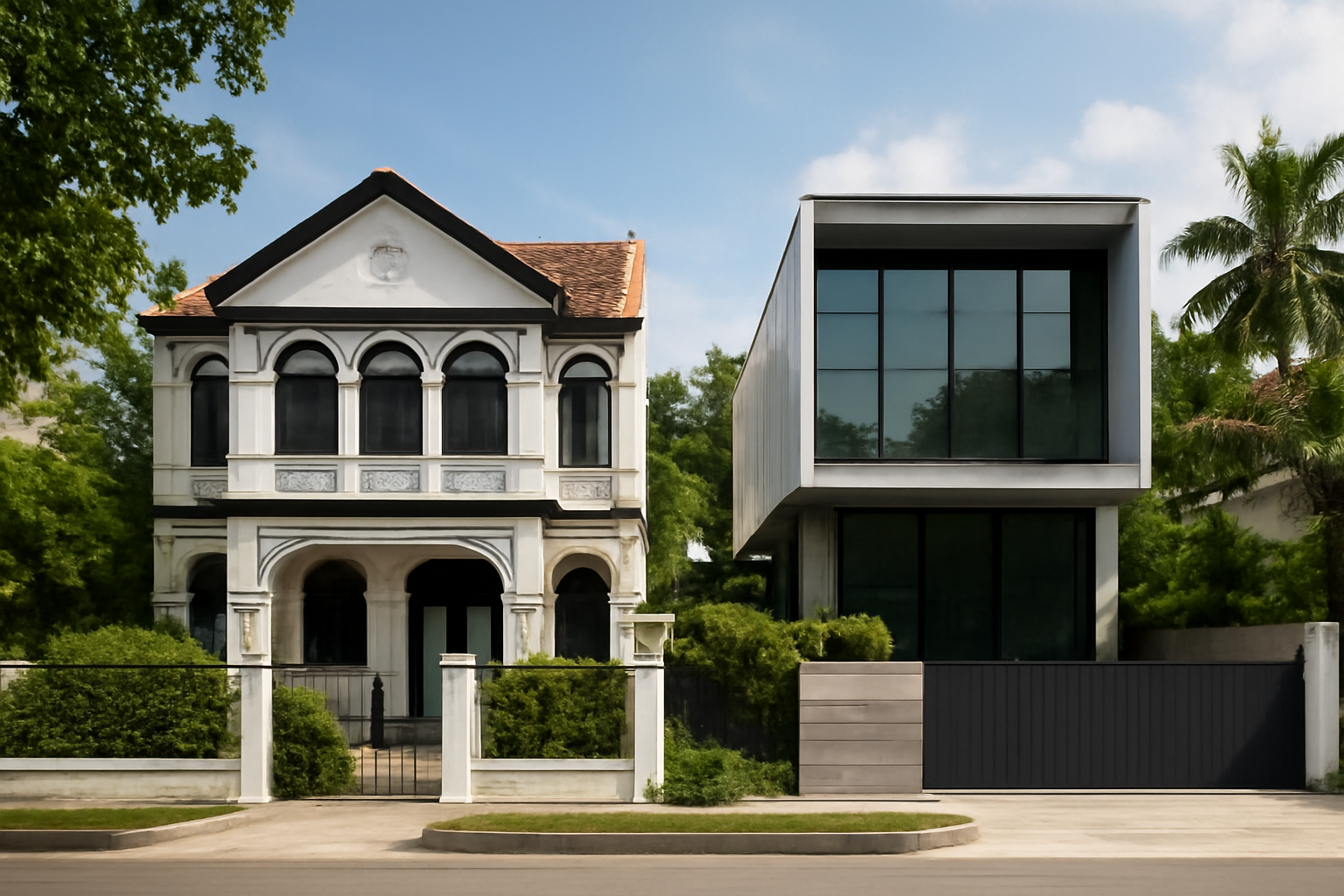
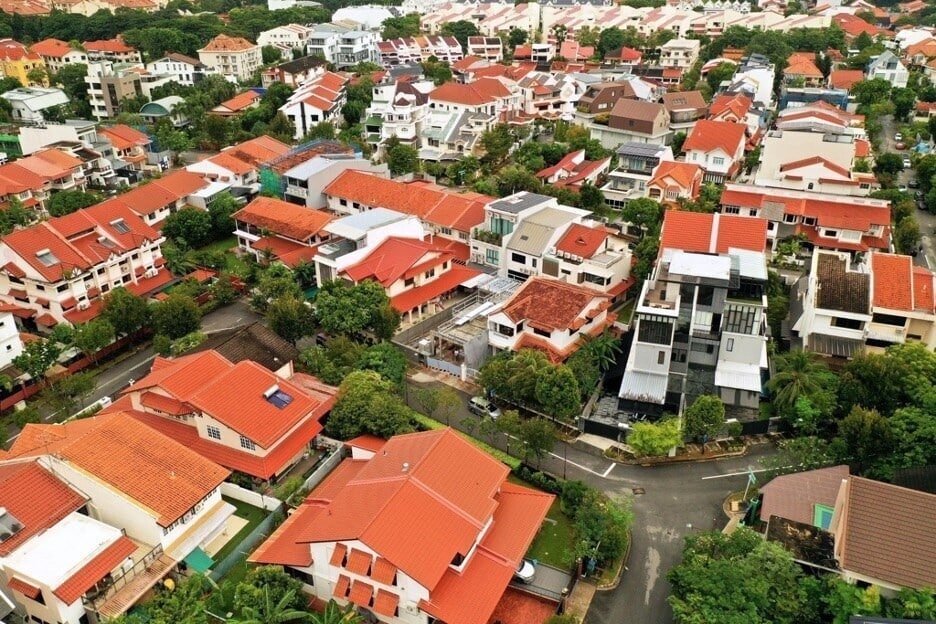
Before purchasing a landed home, understanding the things to check before buying landed property in Singapore can help buyers avoid costly mistakes. Unlike condominiums or HDB flats, landed houses have unique considerations involving land tenure, plot configuration, structural condition, renovation requirements and redevelopment potential.
One of the most important things to check before buying landed property is whether the house meets your immediate lifestyle needs and future plans. A beautifully renovated home may still have limitations involving land boundaries, approved building works, drainage, structural conditions or rebuilding restrictions. These factors can significantly affect your renovation budget and long-term ownership costs.
This practical guide by Team Miracles Landed highlights 10 essential checks before purchasing a landed property in Singapore. From freehold versus leasehold tenure to financing, renovation costs and redevelopment potential, these considerations can help buyers make more informed decisions before committing to a purchase.
1. Things to Check Before Buying Landed Property: Property Type and Tenure
Not all landed homes are the same. The type of property you purchase affects renovation possibilities, redevelopment potential, and long-term market value.
Tenure Matters: Freehold vs Leasehold
Freehold landed homes are often preferred for long-term ownership because they generally hold value better over time and provide greater flexibility for rebuilding or future generations.
Leasehold homes may come at a lower price point, but buyers should consider how the remaining lease could affect financing, resale demand, and future appreciation.
Property Types & Design Limitations
Different landed housing categories in Singapore are subject to different planning rules:
- Detached houses/bungalows offer the most privacy and design flexibility.
- Semi-detached homes share a wall with a neighbouring property, requiring more coordination for structural works.
- Terrace houses usually face tighter space and setback limitations due to their layout configuration.
Understanding these distinctions early helps buyers better evaluate renovation and rebuilding opportunities in future.
Before purchasing a landed home, buyers should verify applicable planning controls and redevelopment requirements. The Urban Redevelopment Authority (URA) provides information on Singapore’s planning framework, while the Singapore Land Authority (SLA) provides information on land ownership and related matters.
2. Assess the Property’s Physical Condition Carefully
A landed home may appear renovated or well-kept, but hidden defects can result in substantial repair costs after purchase.
Before committing, buyers should consider arranging a professional inspection to identify possible concerns such as:
- Structural cracks or uneven flooring
- Roof leakage or weakened roofing structures
- Poor drainage or water ponding issues
- Pest infestation, especially termites
- Aging electrical systems or plumbing
- Water seepage, mould, or concealed corrosion
An early inspection provides better clarity on the actual condition of the home and helps buyers estimate future repair or renovation costs realistically.

3. Arrange Early Access Before Key Collection
Many buyers overlook the benefit of requesting access to the property after exercising the Option to Purchase (OTP) but before official completion.
This allows your contractor, architect, or interior designer to begin preparation works early, including:
- Taking proper measurements
- Studying structural constraints
- Planning layouts and renovation concepts
- Preparing submissions or approvals
By starting the planning process earlier, renovation timelines can often be shortened significantly once keys are officially handed over.
4. Request Architectural & Structural Plans
Approved building drawings are valuable documents that can help buyers better understand the property they are purchasing.
These plans typically show:
- Structural beams and columns
- Load-bearing walls
- Foundation details
- Previous approved additions or extensions
- Existing layout configurations
Having access to these documents can help architects and contractors assess whether future alterations, extensions, or rebuilding plans are feasible.

5. Carry Out Land & Soil Evaluations for Major Works
For buyers intending to rebuild or undertake major A&A works, conducting proper site studies is important before planning construction.
Topographical Survey
This survey maps out the land conditions, including slopes, boundaries, drains, retaining walls, and site levels.
Soil Investigation
A soil test helps determine:
- Ground stability
- Soil composition
- Moisture conditions
- Load-bearing capacity
These assessments are essential for engineers when designing structurally safe foundations and compliant building works.
6. Obtain Important Technical Documents Early
Major renovation or rebuilding works often require supporting technical information related to the site and surrounding infrastructure.
Key documents may include:
- Sewerage Plans – Indicates underground sewer lines
- Drainage Plans – Shows nearby drains and water flow paths
- Road Reserve Plans – Highlights potential future road widening areas
- Railway Protection Requirements – Applies to homes near MRT infrastructure
Gathering these documents early helps reduce delays, redesigns, and compliance issues during future renovation works.
7. Study the URA Master Plan & Future Changes Nearby
The surrounding environment can significantly influence both lifestyle quality and future property value.
Before purchasing, buyers should review the URA Master Plan to understand upcoming developments within the area, including:
- Future MRT lines or transport upgrades
- Planned commercial or residential developments
- Potential rezoning changes
- Infrastructure projects affecting traffic or privacy
Future developments can improve convenience and long-term value, but they may also introduce noise, congestion, or reduced privacy depending on the location.
8. Understand Building Restrictions & Development Limits
URA guidelines determine what owners can or cannot build on landed properties. Understanding these rules is critical before planning extensions or rebuilding works.
Important Areas to Check
- Setback requirements from front, rear, and side boundaries
- Maximum building height allowances
- Gross Floor Area (GFA) limits
- Attic or mezzanine possibilities depending on zoning
Knowing these restrictions early prevents unrealistic renovation expectations and helps buyers better assess the property’s full potential.
9. Budget for Long-Term Upkeep Costs
Landed homeowners are responsible for maintaining the entire property, unlike condo owners who share maintenance costs through monthly management fees.
Common maintenance expenses include:
- Roof repairs and waterproofing
- Drainage maintenance
- External painting and façade upkeep
- Landscaping and outdoor areas
- Pest control services
- Plumbing and piping maintenance
Factoring in these recurring costs helps buyers better prepare for the true long-term ownership expenses of landed living.
10. Work with Experienced Professionals
Landed homes often involve more complex planning and technical coordination compared to other residential properties.
Engaging experienced professionals such as architects, engineers, designers, and contractors can help homeowners:
- Navigate regulatory approvals smoothly
- Avoid costly structural mistakes
- Maximise layout efficiency and build potential
- Improve renovation coordination and execution
- Ensure compliance with local regulations
Having the right team can greatly reduce renovation risks while helping homeowners achieve a more functional and future-ready home.
Final Thoughts
Buying a landed property is more than simply choosing a house you like. It requires careful evaluation of the property’s condition, redevelopment potential, regulatory restrictions, and long-term maintenance responsibilities.
By understanding these important considerations before committing to a purchase, buyers can make better-informed decisions, avoid costly surprises, and plan more confidently for future renovations or rebuilding works.
A well-chosen landed home not only supports your lifestyle needs today, but can also remain a valuable long-term asset for years to come.
Send us an enquiry to learn more about how we can help you.